The Thread That Holds It Together
This article is part of a series I’ve been writing exploring RPG books from a specific collection. It is the third article in the series and my second review. The first article, Exploring the RPG Multiverse, One Book at a Time, set the stage for how I approach these books.
While reading Wizards: The Myths, Legends, and Lore by Aubrey Sherman, I kept thinking of Orson Welles’s F for Fake. It’s such a strange, mesmerizing film, not just a documentary about forgers, but a story about how stories work. Welles jumps between truth and illusion, between what’s real and what we choose to believe, yet somehow it all holds together. There’s a rhythm to it. A thread.
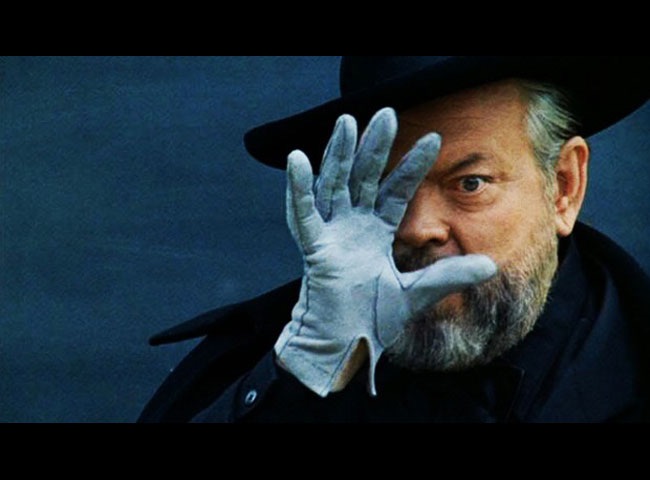
That’s what this book was missing.
I loved parts of it, really. Reading about Merlin always pulls me in, and I enjoyed getting to know many of the magicians it mentioned. There’s something satisfying about tracing that line from ancient myth to literary imagination. The chapters that touched on Shakespeare’s magicians, especially Prospero, had this spark of recognition, the sense that stories about power and mystery have always been ways to talk about being human.
But so much of the book felt like a list. A long, detailed list of wizards and witches, each one summarized and moved past before I could really care. I kept waiting for the author to connect things, to say why these stories mattered together, but it never quite happened. It reminded me how, without a thread, even magic can feel mechanical.
And then came the Harry Potter section.
That’s where the book lost me, though maybe not entirely for reasons the author could have predicted. The book was written in 2014, before J.K. Rowling’s transphobia became so visible. Back then, it made perfect sense for a book about wizards to devote serious space to the Harry Potter phenomenon. But reading it now, in 2025, I just couldn’t separate those pages from what’s come after.
I tried. I really did. But knowing what Rowling has since said and done, how persistently she’s used her platform to undermine trans people, made it impossible to read those passages with any sense of wonder. It’s not the author’s fault; it’s just that the world has changed, and that context clings to the text. I started that chapter, felt a wave of discomfort, and ended up skipping it altogether.
It made me think about what stories do, how they change, and how we change around them. When Welles made F for Fake, he understood that the way you tell something, the shape you give it, is what gives it meaning. The film isn’t a pile of facts; it’s a conversation between them. It moves. That’s what I wanted from Sherman’s book, movement, intention, a sense of discovery.
Instead, I got a series of fragments, some beautiful, some thoughtful, but without that rhythm that turns ideas into story. Which is a shame, because magic, real or fictional, is about transformation. And without a thread to follow, even the most magical stories can turn to dust.